
Friday Unwind 007
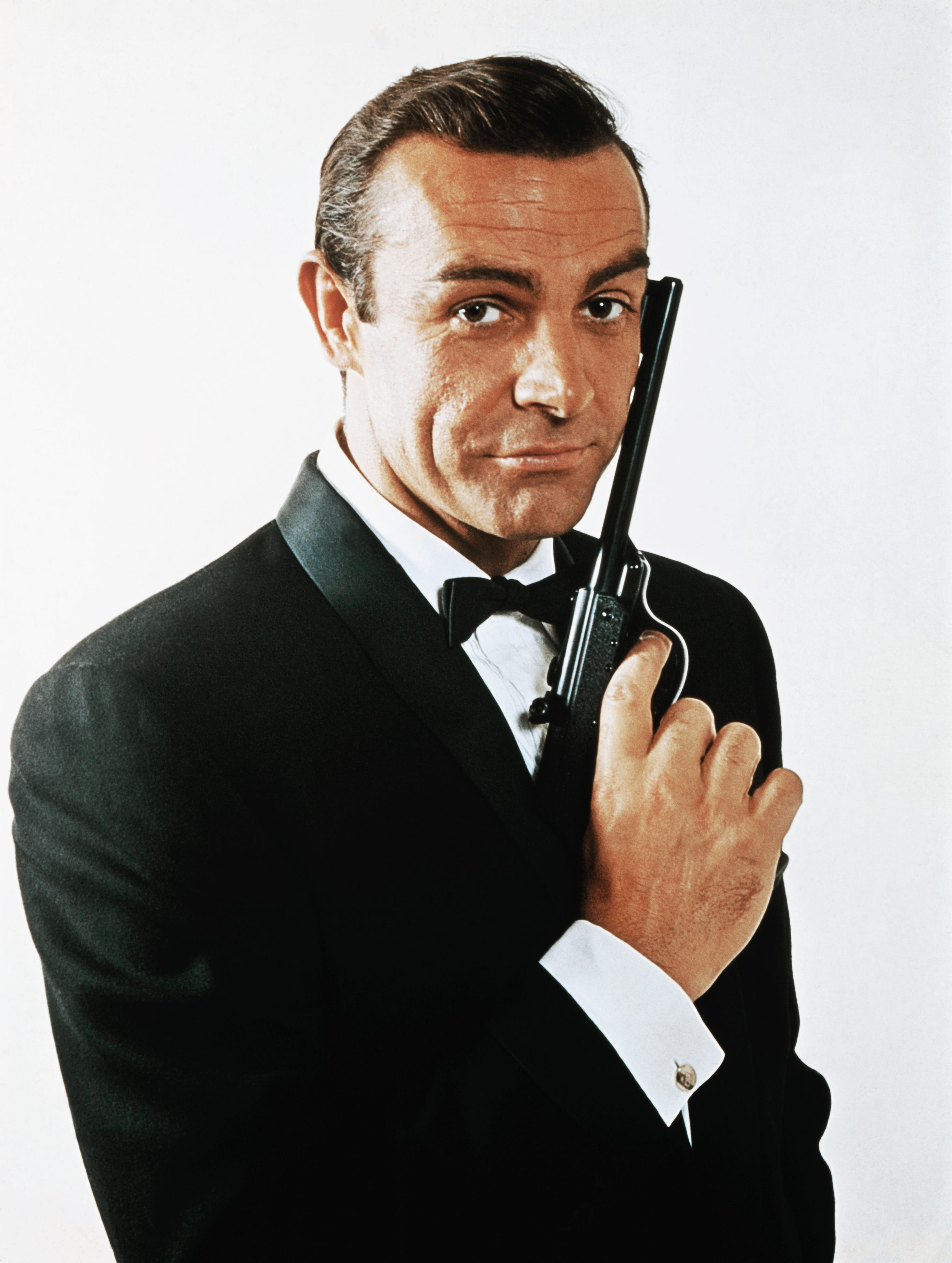
James Bond reading verbs on Everest

Ladies and gentlemen, it’s the weekend —
If you need something to occupy your mind, here are a few things I’ve been thinking about lately:
This is edition 007, which obviously means it deserves a touch of James Bond flair. So, here we go.
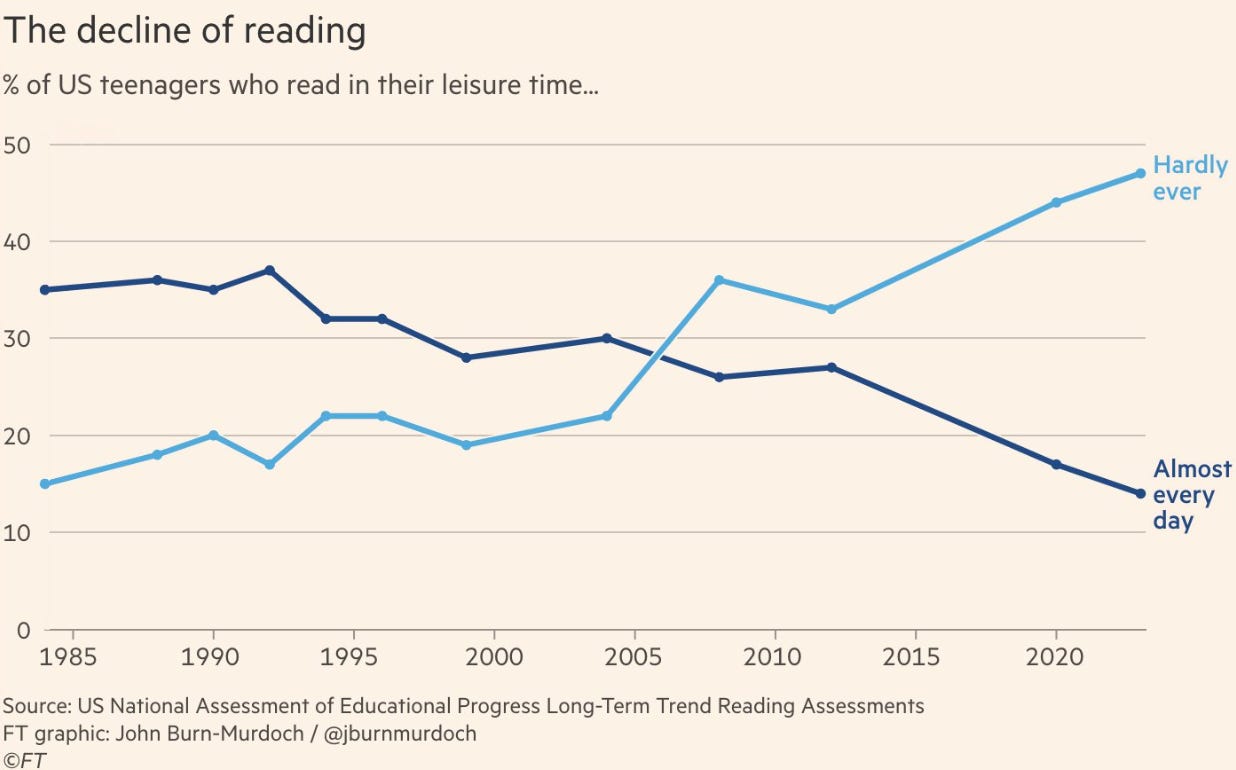
The benefits of reading (A Wealth of Common Sense)
Most people know James Bond from the blockbuster films, but fewer know his true origins in Ian Fleming’s novels. Maybe that’s another sign of our declining attention and reading habits.
“The ability to learn has never been easier than it is today. It’s also never been easier to waste your time staring at a screen all day.”
This life gives you nothing (Blackbird Spyplane)
Bond relies on a mix of instinct and technology to outwit villains. But doesn’t all that gadgetry dull his edge? This beautifully written reflection considers how our own reliance on technology — our phones, especially — might be eroding our innate ability to think and notice.
“Our appetite for life is so big that living just one life doesn’t always feel like enough. We want to know what other people’s lives are like, and we want other people to live some of our lives, too. A book is, we know, an unrivaled technology for living more life.”
The man who mistook his imagination for the truth (The Leap)
Here’s a little Bond-like plot twist. Writer Maria Konnikova expresses disappointment in a new exposé on Oliver Sacks, revealing that many of his most famous scientific stories and findings were fabricated.
“He is both things: a brilliant man and a deeply flawed one, a healer and a fraud. But just because he was brilliant, just because he was a healer, just because he, too, was hurt by the world, we can’t just dismiss that he, in turn, deeply hurt the world he was in. Oliver Sacks, you broke my heart.”
The existential balm of seeing yourself as a verb, not a noun (Psyche)
Die another day? This perspective-shifting essay offers a gentler way to hold the fear of death: by seeing the self not as something fixed, but as an unfolding process.
“But Grandma was never a thing. She was a verb the entire time. A miraculous harmony of processes – eating, laughing, noticing, forgetting – that one day stopped happening. We don’t consider where yesterday’s thunderbolt has gone.”
How Warren Buffett did it (The Atlantic)
Forget who will be the next Bond — who will be the next Buffett?
The most successful investor of all time is retiring. This piece examines what made Buffett an American role model and what his legacy reveals about work, wealth and wisdom.
“He was investing’s Cal Ripken: an iron man who was in the starting lineup every single day. He was also basically alone at the top; there was no other investor over that period who became as well known, and no one else with a record remotely as lengthy or exceptional as his. Like Secretariat winning the Belmont Stakes in 1973 by the length of the home stretch, it didn’t really matter which noncontender came in second.”
Guiding Mount Everest for a decade (Outside)
As Bond is all about adventure and danger, high-altitude guiding may be one of the world’s most brutal dream jobs. A veteran mountaineer shares the highs and lows — from the breathtaking beauty to the very real cost of chasing the summit.
“There’s a magic, a sacredness to the mountain, even under its layered grief and tattered prayer flags. The Sherpa call Chomolungma a deity. The Westerners don’t have to ask why.”
James Cameron doesn’t care about a “cultural footprint” (The Ringer)
Speaking of movies — and of James — here’s a fascinating profile on James Cameron, who’s spent 25 years bringing Avatar’s world of Pandora to life.
“There’s nothing out there that impacts you like that in the moment. It’s not pervasive, coming at you in all media from all directions. It’s a singular experience. And that’s by design. That’s what we do. We’re not building Priuses; we’re building Ferraris here, OK?”
Two Cents: James Bond on Ego
World domination. The same old dream. Our asylums are full of people who think they’re Napoleon. Or God.
Why is it that people who can’t take advice always insist on giving it?